TL;DR: A home recording studio can enhance both the livability and value of design-focused homes across Los Angeles. This guide helps musicians, engineers for music and film and podcasters find or create a space that supports creativity while respecting architectural character.
- Select spaces that naturally support sound, like garages or spare rooms
- Use non-permanent acoustic solutions to preserve original details
- Keep design consistent with the home’s overall aesthetic
- Plan for local regulations before beginning construction
Los Angeles has always been a place where creativity starts at home. From Spanish Revival houses in Pasadena to mid-century properties in Glendale and thoughtfully designed spaces in Culver City, homes here are more than just places to live. They are places to create, record, and share ideas.
For musicians and podcasters searching for the right home, one feature is becoming increasingly valuable: a well-designed home recording studio. Whether you are looking for a property that already has a studio or planning to build your own, the right setup can shape how you create every day.
A home studio is not just an add-on. It is part of how you live and work. The key is finding or creating a space that feels intentional and fits naturally within the home’s design.
Why Professional Home Studios are the New Standard
The landscape of Los Angeles real estate has shifted. We are no longer just seeing "spare room" setups; we are seeing professional-grade environments for musicians, producers, sound mixers, post-production specialists, and recording engineers. Creative independence means the home is now the primary workspace. Whether you are mixing a film score or tracking a podcast, the right property supports your workflow without requiring a commute to a commercial facility.
Neighborhoods Where Creativity Lives
Finding the right home means finding the right community. Depending on your needs and stage of your career, different pockets of LA offer unique advantages for studio builds:
The Creative Heartlands
For those looking for character-rich homes with space to build, we frequently find gems in:
- Northeast LA (NELA): Including Highland Park and Eagle Rock.
- The Foothills: Altadena, La Crescenta, and Shadow Hills offer larger lots and more privacy.
- Strategic Hubs: El Sereno, Lincoln Heights, North Hollywood, and Sun Valley.
- South LA Staples: View Park, Ladera Heights, and Baldwin Hills.
The High-End Industry Enclaves
If you are looking for established "music houses" or iconic views, the search often centers on:
- Silver Lake & Echo Park: Long-standing hubs for indie and alternative creators.
- The Hills & Canyons: Los Feliz, Hollywood Hills, and the acoustic seclusion of Topanga.
- The Valley Hubs: Studio City and Glendale.
Technical Essentials: Beyond the Four Walls
When we take clients on tours, we look past the staging to the "bones" of the room. A room’s potential for sound is dictated by physics:
- The Importance of High Ceilings: For musicians and mixers, ceiling height is non-negotiable. Low ceilings create early sound reflections that muddy a mix. We look for homes with vaulted or double-height ceilings to allow for proper acoustic treatment and "air" in the recording.
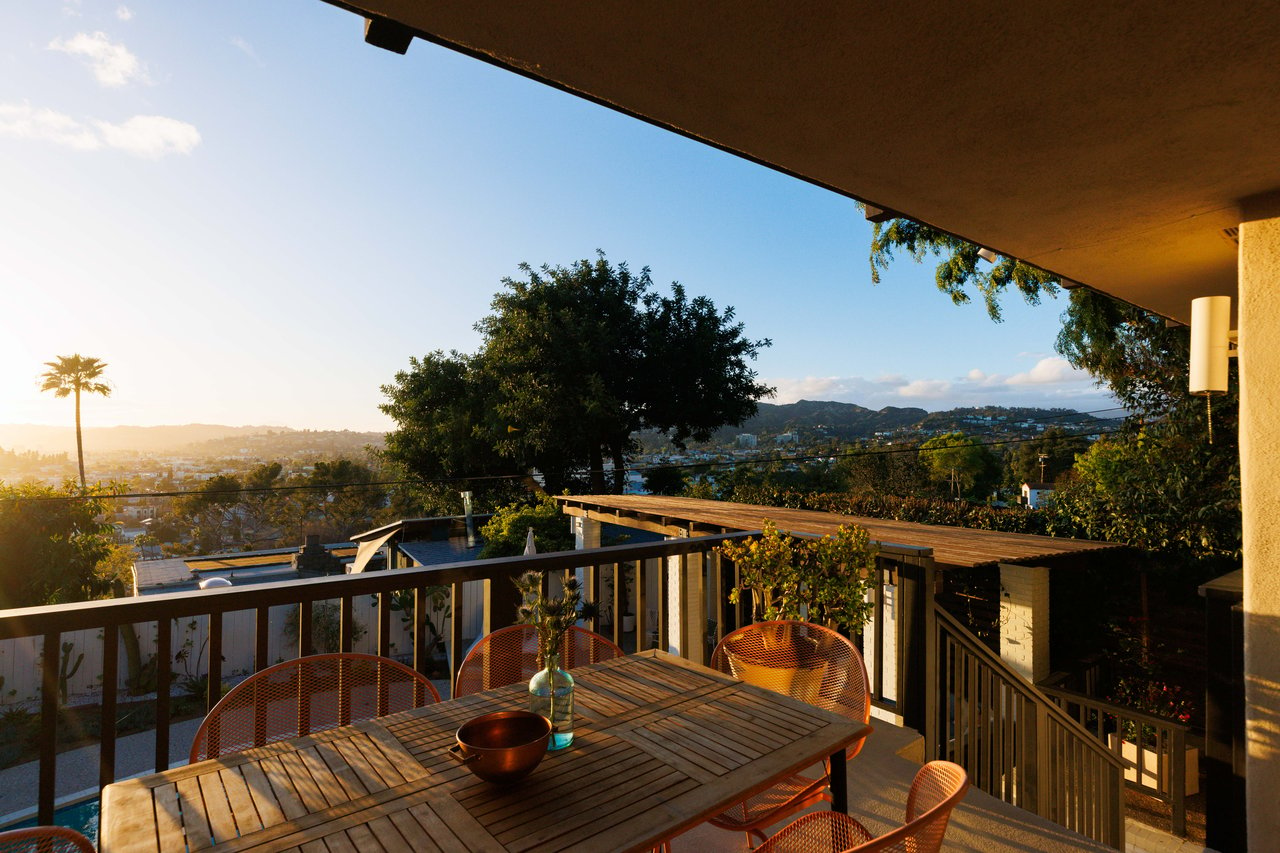
- Hillside Advantage: In areas like Silver Lake or the Hollywood Hills, homes built into hillsides often have lower levels that act as natural bunkers. These are ideal for live drums or high-gain guitar amps, as the earth provides incredible sound isolation from neighbors.
- Detached Structures: Garages and ADUs remain the gold standard for separating "work" from "life" while allowing for structural soundproofing (like room-within-a-room construction).
Designing a Studio with Architectural Integrity
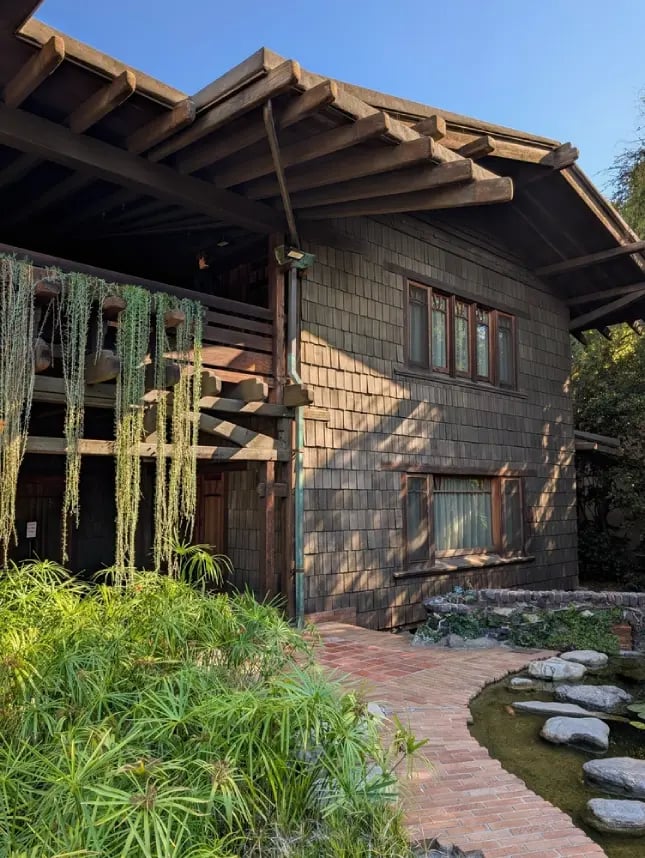
A home music studio should feel like an intentional part of the property. Whether it’s a Mid-century modern in Silver Lake or a Craftsman in Altadena, the design should be cohesive.
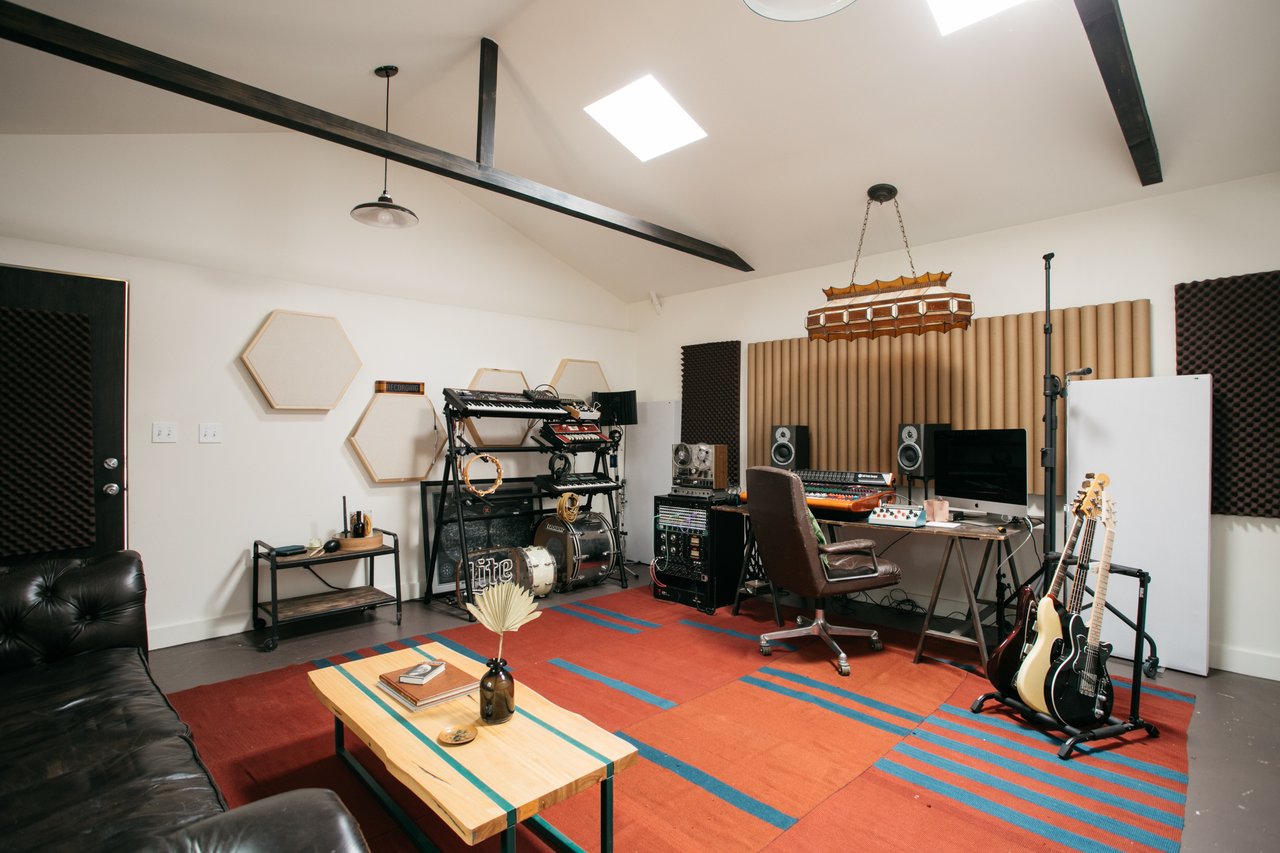
- Acoustic Treatment as Art: Use fabric-wrapped panels that match the home’s color palette.
- Preservation: In historic homes, we recommend freestanding acoustic clouds and bass traps to avoid damaging original plaster or woodwork.
- Lighting: Natural light is great for vibes, but blackout solutions and dimmers are essential for long post-production sessions or voiceover work.
Partnering with Industry Veterans
Buying a home with a studio requires an agent who knows the difference between a "finished room" and a "treated room."
At C3 Group, we’ve sold many homes to clients specifically looking to build high-end studios, and we maintain an active roster of listings that already feature professional recording spaces. Because of our decades of experience in the music and TV industries, we speak your language.
If you’re looking to build from scratch, we can connect you with our network of specialized contractors and acoustic designers to ensure your home project meets professional standards.
Practical Considerations & Regulations
Before you pull the trigger on a property, we help you navigate the local landscape:
- Noise Ordinances: Understanding the specific rules in your neighborhood.
- Permitting: Guidance on electrical upgrades for heavy gear racks and HVAC cooling for server rooms.
- ADU Rules: Navigating the latest California laws for detached studio builds.
FAQ
What makes a house good for a recording studio?
Look for high ceilings, minimal shared walls with neighbors (or hillside construction), and dedicated electrical circuits.
Can I build a studio in an LA ADU?
Yes, but you must ensure the structure is permitted for "habitable space" and account for specialized soundproofing during the framing stage.