TL;DR: Historic homes can hold long-term value when preserved details, sound construction, practical layouts, and the right neighborhood work together. Buyers should evaluate repair costs, permits, previous alterations, and daily livability before deciding.
- Well-preserved historic homes remain appealing because original materials, craftsmanship, and period details are limited and difficult to reproduce.
- Design integrity can support future buyer interest, but updates should improve comfort and performance without removing the features that define the home.
- The neighborhood affects both daily life and long-term appeal. Noise, privacy, outdoor space, commuting time, and access to daily needs all matter.
- Restoration preserves significant historic features, while renovation adapts the property for current use. Many successful projects require a careful combination of both.
- The better long-term choice is often the home with documented structural work, preserved details, and manageable repair needs, not simply the one with more square footage.
Finding and falling in love with historic homes is easy. Finding one that hasn’t been stripped of it’s original character, still works for your growing family, and doesn’t come with six figures or hidden repair work is much, much harder.
That’s the challenge for buyers who care as much about design as they do daily life. A Craftsman may have breath-taking woodwork but a cramped, tiny kitchen. A mid-century home may offer your perfect indoor-outdoor flow, but need major foundation, roof, or systems work. The strongest historic homes are the ones that balance architectural quality, livability and renovation costs that can be evaluated before the purchase.
Why Do Historic Homes Hold Such Lasting Appeal?
Historic homes hold lasting appeal because well-preserved examples are difficult to find and impossible to reproduce in their original form. Buyers are not responding to age alone. They value the craftsmanship, materials, proportions, and details that give each home its identity.
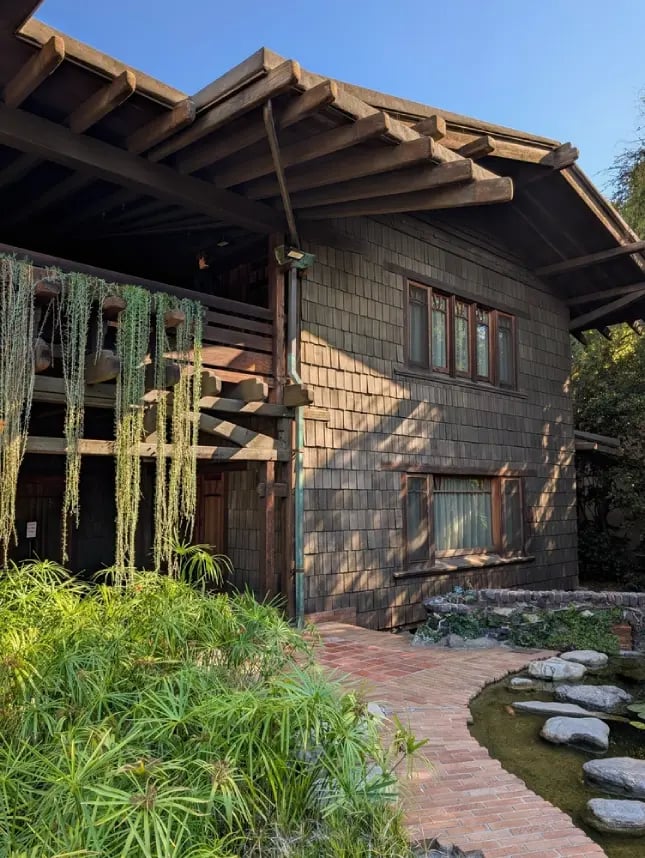
Los Angeles and Pasadena cannot produce more original Craftsman houses or 1920s Spanish Colonial Revival homes. New construction can borrow their appearance, but it can’t recreate the same period materials, workmanship, or connection to the streets where those homes were built.
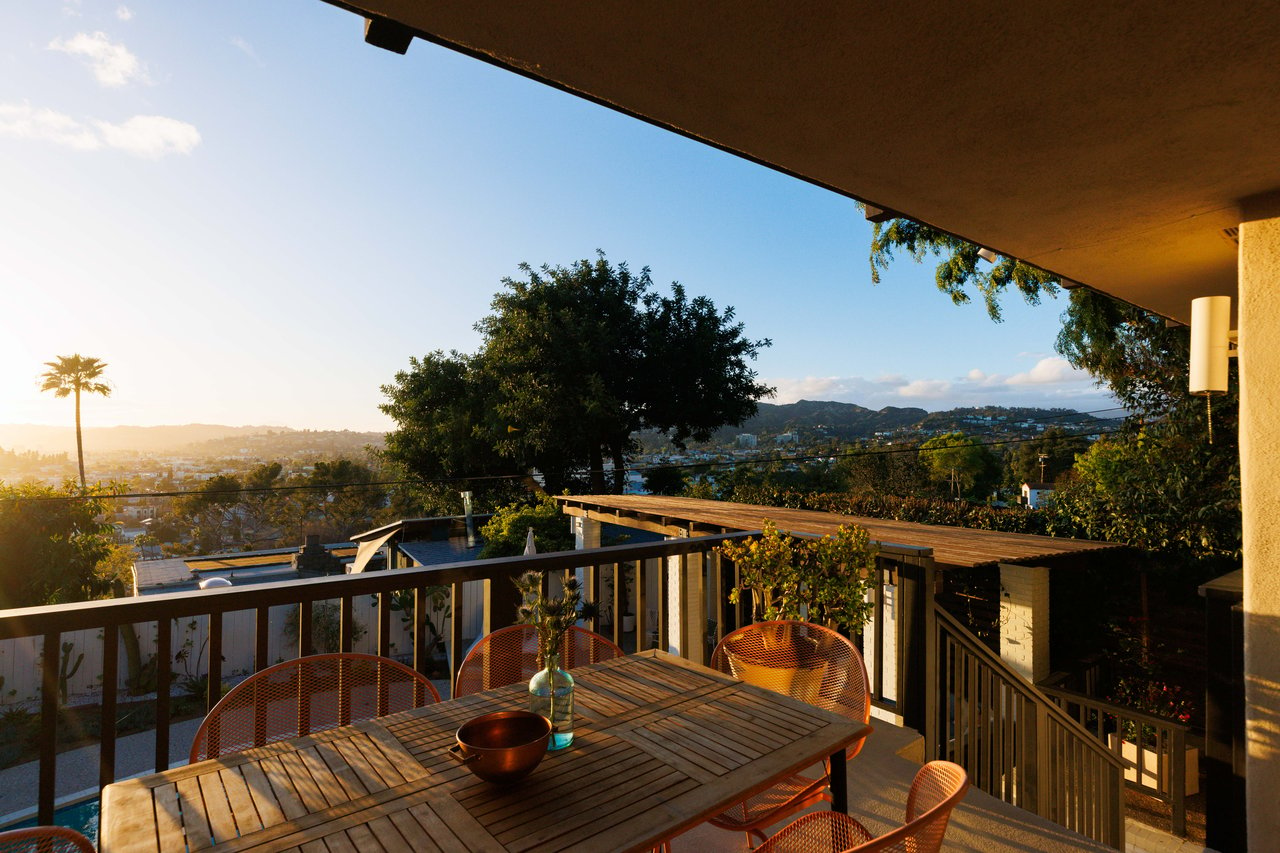
For buyers comparing historic homes for sale, preserved details often make the difference. Original woodwork, steel windows, built-in cabinetry, courtyard plans, exposed beams, and a natural connection between indoor and outdoor spaces can distinguish a carefully maintained home from an older property that has been heavily altered.
As intact historic homes in Los Angeles become harder to find, more buyers may compete for the strongest examples. That limited availability can support long-term demand, particularly when the home also has a practical layout, a desirable location, and repair costs that make sense for the purchase price.
Can Design Integrity Protect Future Buyer Interest?
Yes, it can. Design integrity can help historic homes remain attractive to future buyers because the are still visible and working together. These may include the roofline, windows, room proportions, exterior materials, floor plan, hardware, built-ins, and landscaping.
A home doesn’t have to remain untouched to preserve those qualities. Well-planned updates can improve comfort and performance without removing the details buyers value. New electrical systems, efficient heating and cooling, better waterproofing, and a thoughtfully updated kitchen can make daily life easier while keeping the home’s original character clear.
Poorly planned changes can have the opposite effect. Replacing original windows, stripping away detailed woodwork, or forcing an open plan into a house designed around separate rooms can make the property less distinctive and more expensive to correct later. A future owner may then face custom restoration costs to recover features that could have been preserved
Why Does the Right Neighborhood Support Long-Term Value?
A historic home’s long-term appeal depends partly on what surrounds it. In an established neighborhood, buyers can see the traffic, privacy, tree cover, nearby homes, and access to schools, shops, and work before making a decision. They don’t have to rely on plans for future development or assumptions about how the area may change.
That clarity matters to buyers planning to stay for years. A well-designed home may lose some of its appeal if the lot is noisy, outdoor space is limited, or the daily commute becomes difficult. By contrast, a home on a quiet street with useful outdoor space and convenient access to daily needs can remain practical as family routines change.
Searches for “historic homes Los Angeles” cover many neighborhoods, and a respected address alone isn’t enough. The strongest long-term choice is a home whose setting supports both everyday life and continued buyer interest.
Restoration and Renovation: Do they Require Different Decisions?
Yes, and as a buyer you should understand how to distinguish between a restoration from a renovation before you begin reviewing any project costs.
Restoration focuses on repairing or returning significant features to an appropriate historical condition. Renovation updates the property to meet current needs, which may involve changing layouts, systems, finishes, or additions.
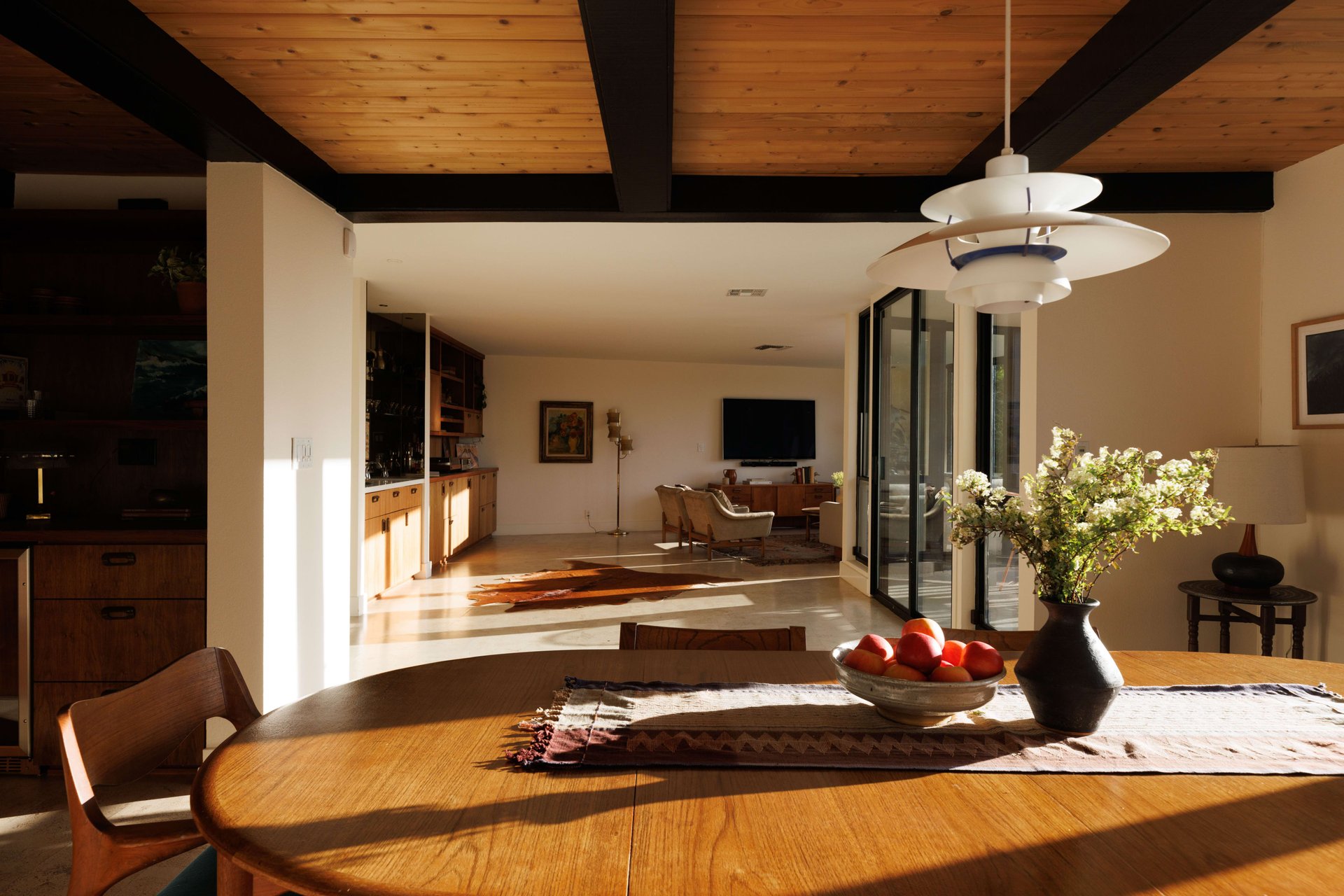
A successful historic home renovation often combines both approaches. Original windows may be repaired rather than replaced, while electrical service, plumbing, waterproofing, and climate systems receive modern upgrades. Kitchens and bathrooms may be updated with materials and proportions that respect the home’s architecture without attempting to reproduce every historical detail.
Before committing to a project, buyers should evaluate:
- The condition of foundation, roof, drainage, electrical systems, plumbing and sewer line.
- The quality and reversibility of any previous alterations.
- The presence of original: doors, windows, flooring, hardware, built-ins, and exterior details
- Local review requirements that may affect any exterior changes or additions
- The cost differences between repair, custom reproduction, and standard replacement
- The feasibility of improving storage, energy performance, and indoor-outdoor circulation.
These are the details that help separate manageable improvement plans from a property that requires extensive reconstruction. This also allows you to protect the features that define the home and preserve its appeal over time.
Which Home is the Better Long-Term Choice for a Design-Focused Family?
The better choice is often the home with preserved original details, documented structural work, and a layout that supports family life, not simply the one with more square footage.
Consider a couple moving from a Los Feliz condo with two children. They compare two historic homes for sale at similar prices. The first is a larger Craftsman with replacement windows, removed built-ins, an altered staircase, and deferred foundation work. The second is smaller, but it retains its original woodwork, has documented structural upgrades, and opens directly from the kitchen to a usable garden.
On paper, the larger house may seem like the better value. In practice, foundation repairs and the cost of recreating missing details could demand more time, specialized labor, and money than the buyers expected.
The smaller home may be the stronger long-term choice because the work already completed is documented, the original details remain, and the layout fits everyday family life. Buying a historic home means looking beyond bedroom count and price per square foot to understand condition, likely repair costs, and how well the property will work over time.
How to Buy a Historic Home With Fewer Surprises
Learning how to buy a historic home starts with deciding what you won’t compromise on: original details, usable outdoor space, room for family life, or a renovation scope you can realistically manage. Then verify what the house needs. Older properties may require input from a structural engineer, foundation specialist, roofer, or contractor who understands period construction.
When buying a historic home, review permits, prior plans, maintenance records, and any preservation rules before assuming a wall can move, a window can be replaced, or an addition can be built. The goal is simple: know what you’re taking on before the house becomes yours.
Choose the Home That Holds Up to a Closer Look
Historic homes hold lasting value when their character, condition, setting, and daily function work together. The best choice isn’t always the largest or most updated. It’s the one whose strengths are real, whose weaknesses are understood, and whose costs fit the life you plan to build there.
C3 Group helps buyers separate lasting value from expensive compromise. Reach out when you want clear, confident representation on a home worth choosing carefully.